Buy waldgeister.eu ?
We are moving the project
waldgeister.eu .
Are you interested in purchasing the domain
waldgeister.eu ?
domain@kv-gmbh.de · 0541-91531010
Buy waldgeister.eu ?
Is an embryo or fetus parasitic?
No, an embryo or fetus is not considered parasitic. While it is true that an embryo or fetus relies on the mother's body for nourishment and support during pregnancy, it is not a parasite. A parasite is an organism that lives in or on another organism (the host) and benefits at the host's expense. In contrast, the relationship between a mother and her developing baby is a natural and symbiotic one, where both parties benefit from the relationship. **
How does the embryo develop into a fetus?
The embryo develops into a fetus through a process called embryogenesis. This process involves the rapid division and differentiation of cells, leading to the formation of the basic body plan and the development of major organs and systems. By the end of the eighth week of gestation, the embryo is considered a fetus, and most of the major organs and systems are in place, although they continue to grow and mature throughout the remainder of the pregnancy. The fetus continues to develop and grow in size and complexity until it is ready to be born. **


Similar search terms for Fetus
Top-Angebote
Products related to Fetus:
-
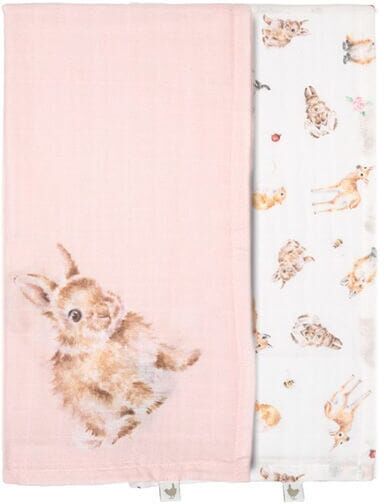
Wrendale Designs 'Little Forest' Woodland Animal Muslin Gift SetSoft, breathable, and versatile, the Wrendale Designs 'Little Forest' Woodland Animal Muslin Gift Set is a must-have for any new parent. Made from 100% organic cotton, these high-quality muslins are perfect for swaddling, burping, feeding, or as a comforting blanket for little ones. This set includes two beautifully designed cloths—one featuring an all-over woodland pattern and the other with charming corner illustrations on a soft pink background. Thoughtfully packaged in a stylish gift box, this set makes a perfect present for newborns or expecting parents. Dimensions: 7(H) x 7(W) cm. Sizes may vary slightly due to the nature of the product.19,80 £*Shipping: 3,50 £Secure redirect to the provider
-
Does the embryo-fetus feel pain during an abortion?
The question of whether an embryo or fetus can feel pain during an abortion is a topic of debate among medical professionals and researchers. Some studies suggest that the neurological development necessary to perceive pain does not occur until later in pregnancy, while others argue that the fetus may be capable of feeling pain earlier. Ultimately, the answer to this question is not definitively known, and it is a complex and controversial issue with differing perspectives. **
-
Is abortion legitimate if the fetus could be artificially raised?
The legitimacy of abortion is a complex and deeply personal issue that is often influenced by a variety of factors including personal beliefs, cultural norms, and legal considerations. The question of whether abortion is legitimate if the fetus could be artificially raised raises ethical and moral considerations. Some may argue that if the fetus could be artificially raised to viability, then abortion may not be legitimate as there is potential for the fetus to develop into a viable human being. Others may argue that a woman's right to make decisions about her own body should take precedence, regardless of the potential for artificial gestation. Ultimately, the legitimacy of abortion is a deeply nuanced issue that varies depending on individual perspectives and beliefs. **
-
What is the difference between an embryo and a fetus?
An embryo is the early stage of development of a multicellular organism, which in humans is from fertilization to about 8 weeks of gestation. During this stage, the major organs and structures of the organism begin to form. A fetus, on the other hand, is the later stage of development, from about 9 weeks of gestation until birth. During this stage, the organs and structures continue to grow and mature, and the fetus becomes more recognizable as a human being. **
-
Does an embryo-fetus already have all the characteristics of life?
Yes, an embryo-fetus already has all the characteristics of life. From the moment of conception, it has the ability to grow, develop, and respond to stimuli. It also has the capacity for metabolism, reproduction, and adaptation to its environment. Therefore, it meets all the criteria for being considered a living organism. **
Would magical mythical creatures be haram?
In Islam, the belief in mythical creatures such as unicorns, dragons, and fairies is not supported by the Quran or Hadith. Therefore, the concept of magical mythical creatures is not a part of Islamic belief. However, enjoying fictional stories or folklore about such creatures as a form of entertainment is not inherently haram as long as it does not contradict Islamic teachings or promote beliefs that are contrary to Islam. It is important for Muslims to be mindful of the content they consume and ensure that it aligns with their faith. **
Are there forest spirits in every forest?
The belief in forest spirits varies across different cultures and regions. While some cultures may have a strong belief in forest spirits and consider them to be present in every forest, others may not hold such beliefs. In some traditions, forest spirits are seen as guardians or protectors of the natural world, while in others they may be considered as part of a broader spiritual ecosystem. Ultimately, the belief in forest spirits is a cultural and individual matter, and not all forests are necessarily associated with the belief in such spirits. **
Top-Angebote
Products related to Fetus:
-
Perfect Picks Market Magical Forbidden Forest Building Set With Spiders & Minifigures Toy Magical Forbidden Forest Building Set With Spiders & Minifigures ToyImagine stepping into a mysterious woodland filled with magical creatures and hidden adventures. This magical forest building set brings fantasy storytelling to life with detailed spider figures and immersive scenery. Designed for kids and...49,97 $*Shipping: 0,00 $Secure redirect to the provider
-
Wrendale Designs 'Little Forest' Woodland Animal Muslin Gift SetSoft, breathable, and versatile, the Wrendale Designs 'Little Forest' Woodland Animal Muslin Gift Set is a must-have for any new parent. Made from 100% organic cotton, these high-quality muslins are perfect for swaddling, burping, feeding, or as a comforting blanket for little ones. This set includes two beautifully designed cloths—one featuring an all-over woodland pattern and the other with charming corner illustrations on a soft pink background. Thoughtfully packaged in a stylish gift box, this set makes a perfect present for newborns or expecting parents. Dimensions: 7(H) x 7(W) cm. Sizes may vary slightly due to the nature of the product.19,80 £*Shipping: 3,50 £Secure redirect to the provider
-
Is an embryo or fetus parasitic?
No, an embryo or fetus is not considered parasitic. While it is true that an embryo or fetus relies on the mother's body for nourishment and support during pregnancy, it is not a parasite. A parasite is an organism that lives in or on another organism (the host) and benefits at the host's expense. In contrast, the relationship between a mother and her developing baby is a natural and symbiotic one, where both parties benefit from the relationship. **
-
How does the embryo develop into a fetus?
The embryo develops into a fetus through a process called embryogenesis. This process involves the rapid division and differentiation of cells, leading to the formation of the basic body plan and the development of major organs and systems. By the end of the eighth week of gestation, the embryo is considered a fetus, and most of the major organs and systems are in place, although they continue to grow and mature throughout the remainder of the pregnancy. The fetus continues to develop and grow in size and complexity until it is ready to be born. **
-
Does the embryo-fetus feel pain during an abortion?
The question of whether an embryo or fetus can feel pain during an abortion is a topic of debate among medical professionals and researchers. Some studies suggest that the neurological development necessary to perceive pain does not occur until later in pregnancy, while others argue that the fetus may be capable of feeling pain earlier. Ultimately, the answer to this question is not definitively known, and it is a complex and controversial issue with differing perspectives. **
-
Is abortion legitimate if the fetus could be artificially raised?
The legitimacy of abortion is a complex and deeply personal issue that is often influenced by a variety of factors including personal beliefs, cultural norms, and legal considerations. The question of whether abortion is legitimate if the fetus could be artificially raised raises ethical and moral considerations. Some may argue that if the fetus could be artificially raised to viability, then abortion may not be legitimate as there is potential for the fetus to develop into a viable human being. Others may argue that a woman's right to make decisions about her own body should take precedence, regardless of the potential for artificial gestation. Ultimately, the legitimacy of abortion is a deeply nuanced issue that varies depending on individual perspectives and beliefs. **
Similar search terms for Fetus
-
What is the difference between an embryo and a fetus?
An embryo is the early stage of development of a multicellular organism, which in humans is from fertilization to about 8 weeks of gestation. During this stage, the major organs and structures of the organism begin to form. A fetus, on the other hand, is the later stage of development, from about 9 weeks of gestation until birth. During this stage, the organs and structures continue to grow and mature, and the fetus becomes more recognizable as a human being. **
-
Does an embryo-fetus already have all the characteristics of life?
Yes, an embryo-fetus already has all the characteristics of life. From the moment of conception, it has the ability to grow, develop, and respond to stimuli. It also has the capacity for metabolism, reproduction, and adaptation to its environment. Therefore, it meets all the criteria for being considered a living organism. **
-
Would magical mythical creatures be haram?
In Islam, the belief in mythical creatures such as unicorns, dragons, and fairies is not supported by the Quran or Hadith. Therefore, the concept of magical mythical creatures is not a part of Islamic belief. However, enjoying fictional stories or folklore about such creatures as a form of entertainment is not inherently haram as long as it does not contradict Islamic teachings or promote beliefs that are contrary to Islam. It is important for Muslims to be mindful of the content they consume and ensure that it aligns with their faith. **
-
Are there forest spirits in every forest?
The belief in forest spirits varies across different cultures and regions. While some cultures may have a strong belief in forest spirits and consider them to be present in every forest, others may not hold such beliefs. In some traditions, forest spirits are seen as guardians or protectors of the natural world, while in others they may be considered as part of a broader spiritual ecosystem. Ultimately, the belief in forest spirits is a cultural and individual matter, and not all forests are necessarily associated with the belief in such spirits. **
* All prices are inclusive of VAT and, if applicable, plus shipping costs. The offer information is based on the details provided by the respective shop and is updated through automated processes. Real-time updates do not occur, so deviations can occur in individual cases. ** Note: Parts of this content were created by AI.