Buy waldgeister.eu ?
We are moving the project
waldgeister.eu .
Are you interested in purchasing the domain
waldgeister.eu ?
domain@kv-gmbh.de · 0541-91531010
Buy waldgeister.eu ?
Looking for forest god, probably Germanic-Slavic.
In Germanic mythology, the god associated with forests is often referred to as "Ullr," who is a god of hunting, archery, and winter. In Slavic mythology, the god of the forest is known as "Veles," who is associated with the underworld, magic, and animals. Both of these deities are connected to nature and the wilderness, making them potential figures to explore in your search for a forest god with Germanic-Slavic roots. **
Search for forest deity, probably Germanic-Slavic.
The forest deity you may be referring to is likely the Germanic-Slavic deity known as "Silvanus" or "Sylvanus." Silvanus was a Roman god of the woodlands and countryside, often associated with forests and wild nature. In Germanic and Slavic mythology, similar deities such as "Silvani" or "Lesnik" were revered as guardians of the forests and protectors of the natural world. These deities were often depicted as wild and untamed, embodying the spirit of the wilderness. **
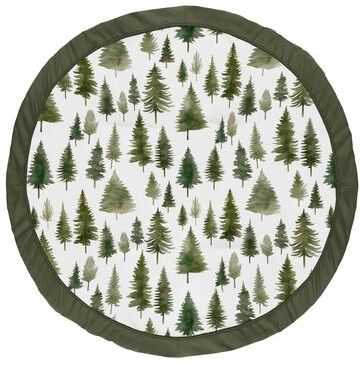

Similar search terms for Germanic
Top-Angebote
Products related to Germanic:
-
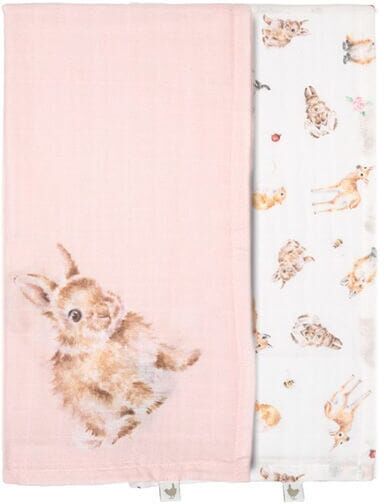
Wrendale Designs 'Little Forest' Woodland Animal Muslin Gift SetSoft, breathable, and versatile, the Wrendale Designs 'Little Forest' Woodland Animal Muslin Gift Set is a must-have for any new parent. Made from 100% organic cotton, these high-quality muslins are perfect for swaddling, burping, feeding, or as a comforting blanket for little ones. This set includes two beautifully designed cloths—one featuring an all-over woodland pattern and the other with charming corner illustrations on a soft pink background. Thoughtfully packaged in a stylish gift box, this set makes a perfect present for newborns or expecting parents. Dimensions: 7(H) x 7(W) cm. Sizes may vary slightly due to the nature of the product.19,80 £*Shipping: 3,50 £Secure redirect to the provider
-
What monsters or mythical creatures exist in Germanic and German mythology, legends, etc.?
Germanic and German mythology feature a variety of monsters and mythical creatures. Some of the most well-known include the Nibelungen dragon, a fearsome serpent from the Nibelungenlied; the Nix, a water spirit known for luring people to their deaths in rivers and lakes; and the Wild Hunt, a spectral group of huntsmen said to ride through the sky during storms. Additionally, Germanic folklore includes creatures like the Erlking, a malevolent spirit that preys on children, and the Alp, a demon that causes nightmares by sitting on people's chests while they sleep. **
-
Were the Germanic people Vikings, or were the Vikings Germanic?
The Germanic people were a group of tribes that lived in Northern Europe, including modern-day Germany, Scandinavia, and the Netherlands. The Vikings were a specific group of people within the broader Germanic culture, known for their seafaring and raiding activities. So, the Vikings were a subset of the Germanic people, and not all Germanic people were Vikings. **
-
Are the Celts Germanic?
No, the Celts are not Germanic. The Celts were a distinct group of people who originated in Central Europe and spread across much of Western Europe, including areas that are now part of modern-day France, Spain, and the British Isles. The Germanic peoples, on the other hand, originated in northern Europe and eventually spread into areas that are now part of modern-day Germany, Scandinavia, and the Netherlands. While the Celts and Germanic peoples may have had some interactions and influences on each other, they are considered to be separate and distinct cultural and linguistic groups. **
-
Were the Greeks Germanic?
No, the Greeks were not Germanic. The Greeks were an ancient civilization that originated in the Mediterranean region, while the Germanic peoples were a group of tribes that originated in northern Europe. The Greeks had their own distinct language, culture, and history, which were different from those of the Germanic peoples. Therefore, it is not accurate to classify the Greeks as Germanic. **

What is Germanic Neopaganism?
Germanic Neopaganism is a modern revival of the pre-Christian religious practices and beliefs of the Germanic peoples. It encompasses a variety of traditions and practices inspired by the ancient Germanic cultures, including Norse, Anglo-Saxon, and Continental Germanic traditions. Followers of Germanic Neopaganism often worship a pantheon of gods and goddesses, honor their ancestors, and celebrate seasonal festivals. It is a decentralized and diverse movement, with different groups and individuals interpreting and practicing the faith in their own unique ways. **
What monsters or mythical creatures exist in Germanic and German mythology, legends, and sagas, etc.?
Germanic and German mythology is rich with a variety of monsters and mythical creatures. Some of the most well-known include the dragon Fafnir from the Nibelungenlied, the Nix, a water spirit known for luring people to their deaths, and the Norns, who are female beings that control destiny. Additionally, there are creatures like the Lindworm, a serpent-like dragon, and the Wild Hunt, a spectral group of huntsmen led by figures such as Odin or Frau Holle. These creatures and monsters play important roles in the folklore and legends of Germanic and German culture. **
Top-Angebote
Products related to Germanic:
-
Perfect Picks Market Magical Forbidden Forest Building Set With Spiders & Minifigures Toy Magical Forbidden Forest Building Set With Spiders & Minifigures ToyImagine stepping into a mysterious woodland filled with magical creatures and hidden adventures. This magical forest building set brings fantasy storytelling to life with detailed spider figures and immersive scenery. Designed for kids and...49,97 $*Shipping: 0,00 $Secure redirect to the provider
-
Wrendale Designs 'Little Forest' Woodland Animal Muslin Gift SetSoft, breathable, and versatile, the Wrendale Designs 'Little Forest' Woodland Animal Muslin Gift Set is a must-have for any new parent. Made from 100% organic cotton, these high-quality muslins are perfect for swaddling, burping, feeding, or as a comforting blanket for little ones. This set includes two beautifully designed cloths—one featuring an all-over woodland pattern and the other with charming corner illustrations on a soft pink background. Thoughtfully packaged in a stylish gift box, this set makes a perfect present for newborns or expecting parents. Dimensions: 7(H) x 7(W) cm. Sizes may vary slightly due to the nature of the product.19,80 £*Shipping: 3,50 £Secure redirect to the provider
-
Looking for forest god, probably Germanic-Slavic.
In Germanic mythology, the god associated with forests is often referred to as "Ullr," who is a god of hunting, archery, and winter. In Slavic mythology, the god of the forest is known as "Veles," who is associated with the underworld, magic, and animals. Both of these deities are connected to nature and the wilderness, making them potential figures to explore in your search for a forest god with Germanic-Slavic roots. **
-
Search for forest deity, probably Germanic-Slavic.
The forest deity you may be referring to is likely the Germanic-Slavic deity known as "Silvanus" or "Sylvanus." Silvanus was a Roman god of the woodlands and countryside, often associated with forests and wild nature. In Germanic and Slavic mythology, similar deities such as "Silvani" or "Lesnik" were revered as guardians of the forests and protectors of the natural world. These deities were often depicted as wild and untamed, embodying the spirit of the wilderness. **
-
What monsters or mythical creatures exist in Germanic and German mythology, legends, etc.?
Germanic and German mythology feature a variety of monsters and mythical creatures. Some of the most well-known include the Nibelungen dragon, a fearsome serpent from the Nibelungenlied; the Nix, a water spirit known for luring people to their deaths in rivers and lakes; and the Wild Hunt, a spectral group of huntsmen said to ride through the sky during storms. Additionally, Germanic folklore includes creatures like the Erlking, a malevolent spirit that preys on children, and the Alp, a demon that causes nightmares by sitting on people's chests while they sleep. **
-
Were the Germanic people Vikings, or were the Vikings Germanic?
The Germanic people were a group of tribes that lived in Northern Europe, including modern-day Germany, Scandinavia, and the Netherlands. The Vikings were a specific group of people within the broader Germanic culture, known for their seafaring and raiding activities. So, the Vikings were a subset of the Germanic people, and not all Germanic people were Vikings. **
Similar search terms for Germanic
-
Are the Celts Germanic?
No, the Celts are not Germanic. The Celts were a distinct group of people who originated in Central Europe and spread across much of Western Europe, including areas that are now part of modern-day France, Spain, and the British Isles. The Germanic peoples, on the other hand, originated in northern Europe and eventually spread into areas that are now part of modern-day Germany, Scandinavia, and the Netherlands. While the Celts and Germanic peoples may have had some interactions and influences on each other, they are considered to be separate and distinct cultural and linguistic groups. **
-
Were the Greeks Germanic?
No, the Greeks were not Germanic. The Greeks were an ancient civilization that originated in the Mediterranean region, while the Germanic peoples were a group of tribes that originated in northern Europe. The Greeks had their own distinct language, culture, and history, which were different from those of the Germanic peoples. Therefore, it is not accurate to classify the Greeks as Germanic. **
-
What is Germanic Neopaganism?
Germanic Neopaganism is a modern revival of the pre-Christian religious practices and beliefs of the Germanic peoples. It encompasses a variety of traditions and practices inspired by the ancient Germanic cultures, including Norse, Anglo-Saxon, and Continental Germanic traditions. Followers of Germanic Neopaganism often worship a pantheon of gods and goddesses, honor their ancestors, and celebrate seasonal festivals. It is a decentralized and diverse movement, with different groups and individuals interpreting and practicing the faith in their own unique ways. **
-
What monsters or mythical creatures exist in Germanic and German mythology, legends, and sagas, etc.?
Germanic and German mythology is rich with a variety of monsters and mythical creatures. Some of the most well-known include the dragon Fafnir from the Nibelungenlied, the Nix, a water spirit known for luring people to their deaths, and the Norns, who are female beings that control destiny. Additionally, there are creatures like the Lindworm, a serpent-like dragon, and the Wild Hunt, a spectral group of huntsmen led by figures such as Odin or Frau Holle. These creatures and monsters play important roles in the folklore and legends of Germanic and German culture. **
* All prices are inclusive of VAT and, if applicable, plus shipping costs. The offer information is based on the details provided by the respective shop and is updated through automated processes. Real-time updates do not occur, so deviations can occur in individual cases. ** Note: Parts of this content were created by AI.