Buy waldgeister.eu ?
We are moving the project
waldgeister.eu .
Are you interested in purchasing the domain
waldgeister.eu ?
domain@kv-gmbh.de · 0541-91531010
Buy waldgeister.eu ?
Which perennials bloom twice?
Some perennials that bloom twice in a year include coreopsis, salvia, and veronica. These plants typically bloom once in the spring or early summer, and then again in the fall. By deadheading spent flowers and providing proper care, these perennials can produce a second flush of blooms later in the season. **
Which perennials self-seed?
Many perennials have the ability to self-seed, meaning they produce seeds that can germinate and grow into new plants without human intervention. Some common perennials that are known for self-seeding include black-eyed Susans, coneflowers, yarrow, columbine, and foxglove. Self-seeding perennials can be a great way to fill in gaps in the garden and create a natural, low-maintenance look. However, it's important to keep an eye on self-seeding plants to prevent them from becoming invasive. **

Similar search terms for Perennials
Top-Angebote
Products related to Perennials:
-
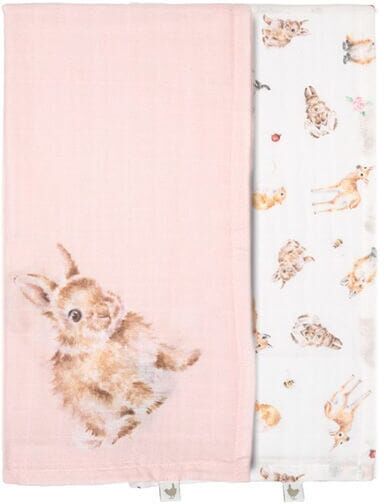
Wrendale Designs 'Little Forest' Woodland Animal Muslin Gift SetSoft, breathable, and versatile, the Wrendale Designs 'Little Forest' Woodland Animal Muslin Gift Set is a must-have for any new parent. Made from 100% organic cotton, these high-quality muslins are perfect for swaddling, burping, feeding, or as a comforting blanket for little ones. This set includes two beautifully designed cloths—one featuring an all-over woodland pattern and the other with charming corner illustrations on a soft pink background. Thoughtfully packaged in a stylish gift box, this set makes a perfect present for newborns or expecting parents. Dimensions: 7(H) x 7(W) cm. Sizes may vary slightly due to the nature of the product.19,80 £*Shipping: 3,50 £Secure redirect to the provider
-
What hardy perennials are there?
Some examples of hardy perennials include: 1. Black-eyed Susan (Rudbeckia) 2. Coneflower (Echinacea) 3. Daylily (Hemerocallis) 4. Hosta 5. Sedum 6. Russian Sage (Perovskia) 7. Shasta Daisy (Leucanthemum) 8. Purple Coneflower (Echinacea purpurea) 9. Coral Bells (Heuchera) 10. Astilbe **
-
What perennials bloom in June?
Some perennials that typically bloom in June include: - Peonies - Irises - Roses - Salvia - Delphiniums - Coreopsis - Geraniums - Lavender - Catmint - Siberian Iris **
-
Which perennials for full sun?
Some popular perennials that thrive in full sun include: 1. Coneflowers (Echinacea) 2. Black-eyed Susans (Rudbeckia) 3. Daylilies (Hemerocallis) 4. Lavender (Lavandula) 5. Russian Sage (Perovskia atriplicifolia) 6. Sedum (Sedum spectabile) 7. Blanket Flower (Gaillardia) 8. Salvia (Salvia nemorosa) 9. Coreopsis (Coreopsis verticillata) 10. Penstemon (Penstemon digitalis) **
-
Which perennials are suitable for shade?
Some perennials that are suitable for shade include hostas, astilbe, ferns, bleeding heart, coral bells, and lungwort. These plants thrive in shady conditions and can add beauty and interest to a shaded garden. **

Which perennials are suitable for partial shade?
Some perennials that are suitable for partial shade include hostas, astilbe, ferns, bleeding heart, coral bells, foamflower, and lungwort. **
Would magical mythical creatures be haram?
In Islam, the belief in mythical creatures such as unicorns, dragons, and fairies is not supported by the Quran or Hadith. Therefore, the concept of magical mythical creatures is not a part of Islamic belief. However, enjoying fictional stories or folklore about such creatures as a form of entertainment is not inherently haram as long as it does not contradict Islamic teachings or promote beliefs that are contrary to Islam. It is important for Muslims to be mindful of the content they consume and ensure that it aligns with their faith. **
Top-Angebote
Products related to Perennials:
-
Perfect Picks Market Magical Forbidden Forest Building Set With Spiders & Minifigures Toy Magical Forbidden Forest Building Set With Spiders & Minifigures ToyImagine stepping into a mysterious woodland filled with magical creatures and hidden adventures. This magical forest building set brings fantasy storytelling to life with detailed spider figures and immersive scenery. Designed for kids and...49,97 $*Shipping: 0,00 $Secure redirect to the provider
-
Wrendale Designs 'Little Forest' Woodland Animal Muslin Gift SetSoft, breathable, and versatile, the Wrendale Designs 'Little Forest' Woodland Animal Muslin Gift Set is a must-have for any new parent. Made from 100% organic cotton, these high-quality muslins are perfect for swaddling, burping, feeding, or as a comforting blanket for little ones. This set includes two beautifully designed cloths—one featuring an all-over woodland pattern and the other with charming corner illustrations on a soft pink background. Thoughtfully packaged in a stylish gift box, this set makes a perfect present for newborns or expecting parents. Dimensions: 7(H) x 7(W) cm. Sizes may vary slightly due to the nature of the product.19,80 £*Shipping: 3,50 £Secure redirect to the provider
-
Which perennials bloom twice?
Some perennials that bloom twice in a year include coreopsis, salvia, and veronica. These plants typically bloom once in the spring or early summer, and then again in the fall. By deadheading spent flowers and providing proper care, these perennials can produce a second flush of blooms later in the season. **
-
Which perennials self-seed?
Many perennials have the ability to self-seed, meaning they produce seeds that can germinate and grow into new plants without human intervention. Some common perennials that are known for self-seeding include black-eyed Susans, coneflowers, yarrow, columbine, and foxglove. Self-seeding perennials can be a great way to fill in gaps in the garden and create a natural, low-maintenance look. However, it's important to keep an eye on self-seeding plants to prevent them from becoming invasive. **
-
What hardy perennials are there?
Some examples of hardy perennials include: 1. Black-eyed Susan (Rudbeckia) 2. Coneflower (Echinacea) 3. Daylily (Hemerocallis) 4. Hosta 5. Sedum 6. Russian Sage (Perovskia) 7. Shasta Daisy (Leucanthemum) 8. Purple Coneflower (Echinacea purpurea) 9. Coral Bells (Heuchera) 10. Astilbe **
-
What perennials bloom in June?
Some perennials that typically bloom in June include: - Peonies - Irises - Roses - Salvia - Delphiniums - Coreopsis - Geraniums - Lavender - Catmint - Siberian Iris **
Similar search terms for Perennials
-
Which perennials for full sun?
Some popular perennials that thrive in full sun include: 1. Coneflowers (Echinacea) 2. Black-eyed Susans (Rudbeckia) 3. Daylilies (Hemerocallis) 4. Lavender (Lavandula) 5. Russian Sage (Perovskia atriplicifolia) 6. Sedum (Sedum spectabile) 7. Blanket Flower (Gaillardia) 8. Salvia (Salvia nemorosa) 9. Coreopsis (Coreopsis verticillata) 10. Penstemon (Penstemon digitalis) **
-
Which perennials are suitable for shade?
Some perennials that are suitable for shade include hostas, astilbe, ferns, bleeding heart, coral bells, and lungwort. These plants thrive in shady conditions and can add beauty and interest to a shaded garden. **
-
Which perennials are suitable for partial shade?
Some perennials that are suitable for partial shade include hostas, astilbe, ferns, bleeding heart, coral bells, foamflower, and lungwort. **
-
Would magical mythical creatures be haram?
In Islam, the belief in mythical creatures such as unicorns, dragons, and fairies is not supported by the Quran or Hadith. Therefore, the concept of magical mythical creatures is not a part of Islamic belief. However, enjoying fictional stories or folklore about such creatures as a form of entertainment is not inherently haram as long as it does not contradict Islamic teachings or promote beliefs that are contrary to Islam. It is important for Muslims to be mindful of the content they consume and ensure that it aligns with their faith. **
* All prices are inclusive of VAT and, if applicable, plus shipping costs. The offer information is based on the details provided by the respective shop and is updated through automated processes. Real-time updates do not occur, so deviations can occur in individual cases. ** Note: Parts of this content were created by AI.